
What I Inherited
Breaking Patterns
Breaking the Pattern of Powerlessness
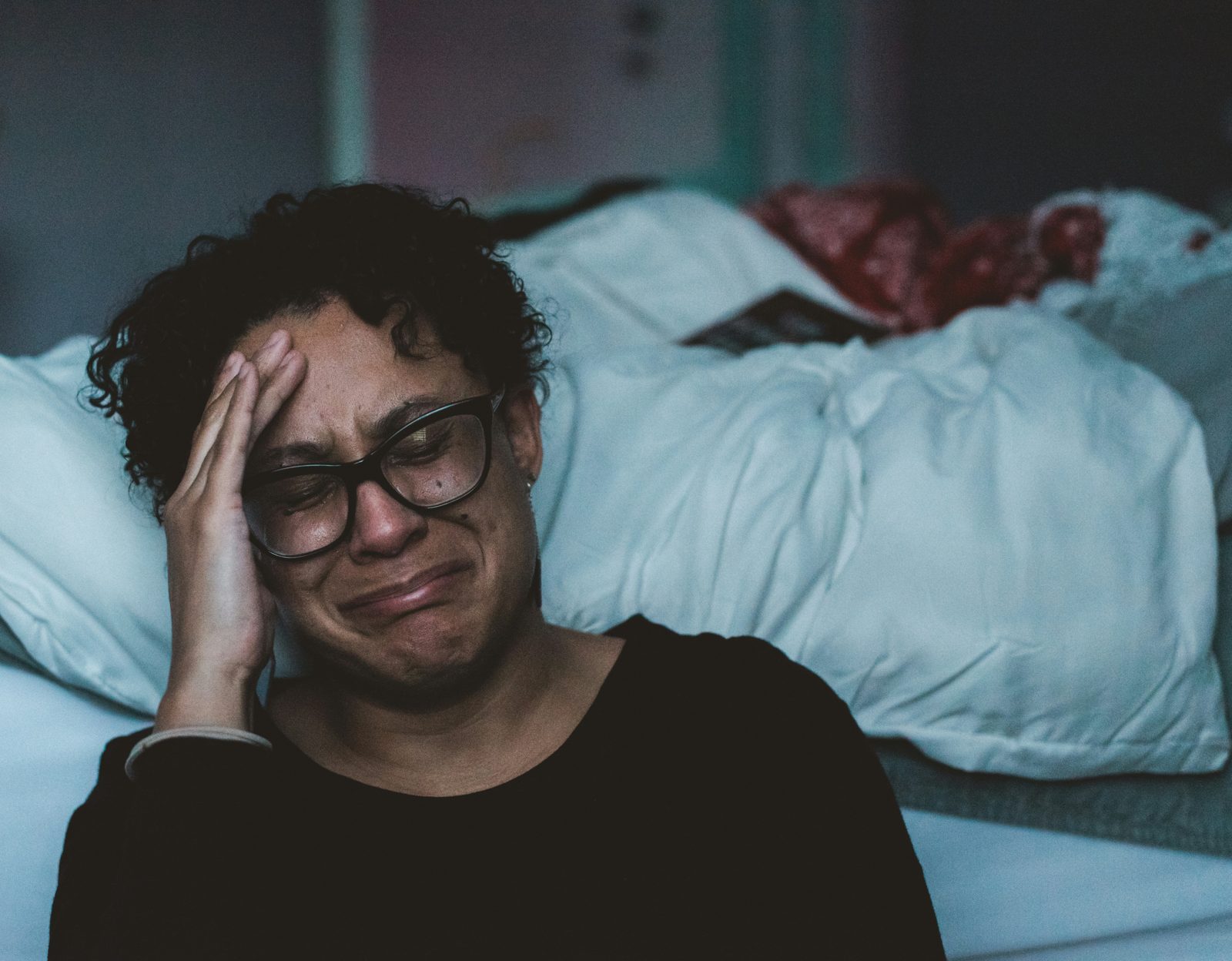
This week, we’re thinking about the inherited patterns we recognized and chose to change—the cycles we refused to repeat, the courage it took to do things differently, what we’re choosing to pass forward instead.
Breaking patterns isn’t easy. These are grooves worn deep by generations. They’re familiar, even when they’re painful. They’re what we know, even when we know they don’t serve us.
Sometimes we don’t even realize we’re repeating a pattern until we catch ourselves doing exactly what our parents did—saying the same words, making the same choices, recreating the same dynamics we swore we’d never repeat.
And then comes the moment of recognition: Oh. I’m doing it. I’m passing this down. And I don’t have to.
That’s when the real work begins. Not just recognizing the pattern, but actively choosing something different. Making different choices, even when the old pattern pulls at us like gravity. Building new grooves, new ways of being, new legacies to pass down.
It takes courage to break patterns. It means doing things we haven’t seen modeled. It means figuring it out as we go. It means sometimes failing, then trying again differently. It means saying: the inheritance stops here. This is where it changes.
What inherited pattern did you recognize and change? What took courage to do differently? What are you choosing to pass forward instead?
Breaking the Pattern of Powerlessness
We were poor when I was growing up, though I didn’t realize it at the time.
I had a couple of pretty dresses for church and special occasions. I always had shoes or boots, depending on the weather. We had simple meals but didn’t starve. Our outings were picnics or road trips to visit my mom’s family in Ontario or Quebec.
It was only as I got older that I began to notice. The electricity shut off. My mom not eating with us at dinner. Her undergarments were threadbare and worn beyond repair. I wanted an Easy Bake Oven for Christmas, or dreamed about Disneyland—I may as well have wanted to go to the moon or wanted the crown jewels. Those things were as unreachable for me as anything could be.
It wasn’t until I was much older that I realized how hard my mom had struggled to keep us fed and clothed as we grew.
Things didn’t improve when she remarried. My stepfather gave her an allowance—a paltry sum—and she had to stay within it. She had no control over the household finances. She was at his mercy.
I learned to be conscious of lack. Conscious of waste. We didn’t waste food, didn’t waste electricity, didn’t waste water. We wore clothes, shoes, and boots well beyond the point where they should have been replaced.
My mom used to say, “We might not be able to afford fancy clothes, but soap and water are cheap. We can always afford to be clean and have clean clothes.”
It was practical. It was survival. It was the best she could do.
But it was also powerlessness. And I inherited that—the awareness of scarcity, the constant calculation, the fear of not having enough. The pattern of going without so that others could have.
When I left home and later, when I was on my own with kids, something in me knew: I would not repeat this cycle. Not exactly.
I couldn’t control whether I’d have a lot of money—I was a single mother, working, doing the best I could on a limited income. But I could control one thing: I would never be dependent on someone else for my survival. I would never be at someone’s mercy the way my mother had been.
I saw how my mom was powerless under her husbands. How she had to ask for money, justify expenses, and make do with whatever she was given. How she had no say, no control, no escape.
And I decided: that will not be me.
So I worked. I paid my own way. I managed my money carefully—not because I had a lot of it, but because I was determined to make sure the essentials were always covered.
My kids always had a roof over their heads. Food in the house. Clean clothes on their backs.
For entertainment, I took them to parks, to the beach. We rented movies. We found free or cheap ways to have fun. We made do. We got creative.
But here’s what was different: the bills got paid. First. Always. The rent, the utilities, the groceries—those were non-negotiable. I made sure of it.
I inherited my mother’s practicality—soap and water are cheap, we can afford to be clean. I kept that. But I added something she couldn’t - control. Stability. The power to make sure my kids’ basic needs were met, not by someone else’s generosity or whim, but by my own hard work and careful management.
There were many times I went without so my kids could have. I didn’t like it. But I did it gladly because I chose it. Not because someone else controlled the money and left me scrambling. But because I was in charge of my own finances and making my own decisions about priorities.
That’s the pattern I broke: powerlessness.
I couldn’t break the pattern of being poor—sometimes circumstances dictate that. But I could break the pattern of being dependent, of being at someone’s mercy, of having no control over whether my kids’ basic needs would be met.
And I did something else my mother couldn’t: I stayed out of debt.
I’m a cash-on-the-barrelhead kind of gal. If I don’t have the money, I don’t get it until I do. No credit cards maxed out. No loans I can’t repay. No owing anyone anything.
Because debt is another form of powerlessness. And I refused to be powerless.
Even now, retired and living on a fixed income, my priorities are the same: bills paid, food in the house. If I have that, I’m good. I don’t need fancy things. I don’t need opulence. I need security. I need to know that I’m okay, that I can take care of myself, that I’m not dependent on anyone’s generosity or goodwill.
That’s what I’m passing forward: not wealth, but something more valuable. The knowledge that you can be poor and still have power. That you can have very little and still have control. That managing your money carefully isn’t about being cheap—it’s about being free.
My mother did the best she could with what she had. She kept us clean, fed, and clothed. She made do. She survived.
But she had no power. And that powerlessness—that constant anxiety about whether there would be enough, that dependence on someone else’s decisions—that’s what broke her spirit.
I inherited her practicality, her resourcefulness, her ability to make do with very little.
But I refused to inherit her powerlessness.
That’s the pattern I broke. And I’m proud of that.
My kids may have grown up without the perceived abundance of their peers, but they grew up with something my mother never had: a mother who was in control of her own life. A mother who made sure the essentials were covered. Who wasn’t at anyone’s mercy.
They saw me work. They saw me manage money carefully. They saw me pay bills first, budget for groceries, and find creative ways to have fun without spending much.
And I hope what they inherited from me is this: you don’t have to be rich to be free. You just have to be in control of what you do have.
Soap and water are cheap, Mom said. We can always afford to be clean.
I kept that. But I added: and we can always afford to pay our bills, to feed ourselves, to have a roof over our heads. Because I work, I manage carefully, and I stay out of debt.
That’s the inheritance I’m passing forward. Not wealth. Freedom.
This Week’s Prompts: Breaking Patterns
An inherited pattern you recognized and changed. What cycle did you see repeating—in your family, in yourself—that you decided to break? When did you realize you were doing things the way they were done to you? What did you choose to do differently?
What it took to break the pattern. Change is hard, especially when the pattern is deeply ingrained. What did it require of you to do things differently? What was scary about it? What helped you stick with the change?
A moment you caught yourself repeating the pattern. Sometimes we don’t realize we’re doing it until we’re in the middle of it. Have you ever caught yourself saying or doing exactly what your parents did—and stopped yourself? What happened?
What you’re consciously doing differently with your kids (or in your relationships, or at work). How are you actively choosing a different path? What are you modelling that wasn’t modelled for you?
The pattern you’re still working to break. Not all patterns break cleanly. What inheritance are you still wrestling with? What pattern do you recognize but haven’t fully changed yet? What’s hard about it?
What you hope to pass forward instead. Of all the patterns you’ve broken, what are you most proud to be passing down instead? What new legacy are you creating?
Invitation to Engage
We’ve spent this month exploring inheritance—the jewellery boxes and the beliefs, the adventurous spirits and the powerless patterns. You’ve shared stories about heirlooms that connect you to people you’ve lost, about messages you had to unlearn, about gifts you’re grateful for, about cycles you’ve worked to break.
Thank you for your honesty. For naming both the good and the hard inheritances. For celebrating the gifts while acknowledging the wounds. For showing the courage it takes to break patterns while honouring the people who did the best they could.
This week, as we close out Month 5, I want to hear about the patterns you’ve broken. Not perfectly—none of us do this perfectly. But the cycles you recognized and chose to interrupt. The inheritance you decided stops with you. The courage it took to do things differently.
I broke the pattern of powerlessness. I couldn’t break the pattern of being poor, but I could break the pattern of being dependent, of having no control, of being at someone’s mercy.
What pattern did you break? What did it take? What are you passing forward instead?
Share your story in the comments. I’ll be reading, as always, holding your courage alongside my own.
Looking ahead: We’ve been exploring what we inherited—the beliefs about money and worth, the patterns of powerlessness or resilience, the gifts of determination and courage. But inheritance doesn’t just sit in jewellery boxes or live in our minds. We carry it into how we spend our days. Into the work we do and why we do it.
Next month, we’ll explore WORK AND CALLING—how we spend our days, the jobs that shaped us, the work that feeds us (or doesn’t), what we want our work to have meant. From first jobs where we learned what we inherited about labour and worth, to meaningful work that honoured or defied those inheritances, to the gap between what we do and what we dream.
See you next month.
First published in The Story Harvesters newsletter on Substack, March 23, 2026.
Comments were part of the original newsletter and aren’t included in this archive.