
People Who Shaped Me
People Who Shaped Me
An Unexpected Teacher
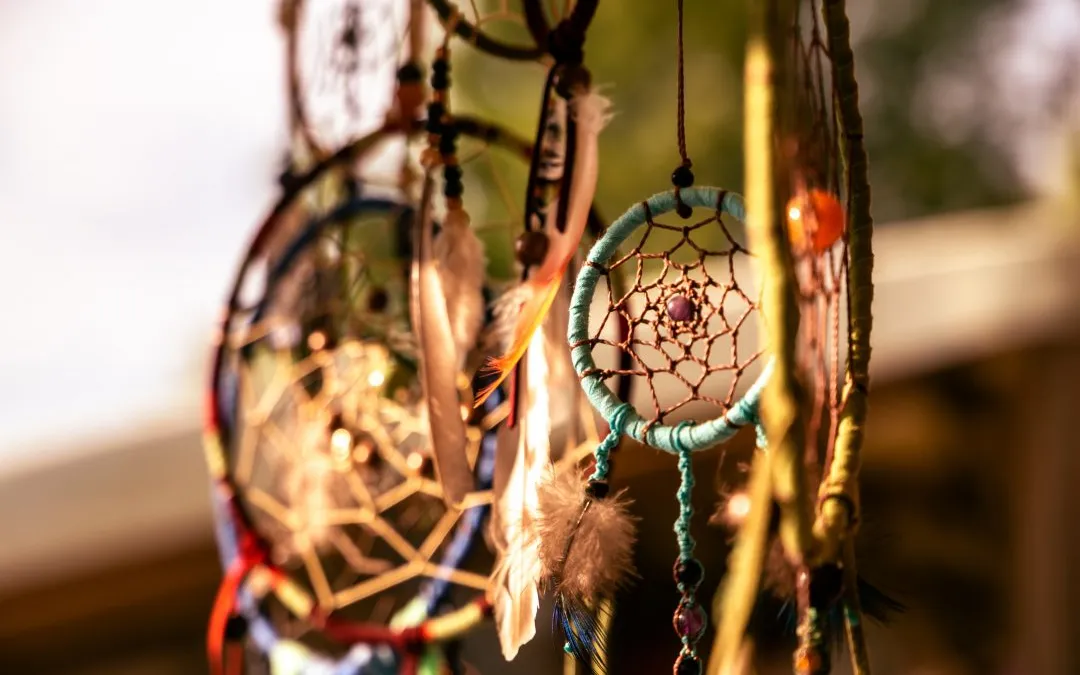
Bill and the Pow Wow
The other day while in the car, I was listening to First Nations drumming on the CBC. Caught up in their cadence and the sound of their chants, I began to recall the first time I’d attended a Pow Wow with my hairdresser, Bill.
When I knew him, Bill was a tall, thin man in his fifties with long, slender, almost delicate fingers. He smoked long, slender menthol More cigarettes. He was two-spirited of the turtle clan, and every few weeks I’d visit him at his apartment. We’d drink instant coffee and smoke cigarettes while he cut my hair at the kitchen table.
After trimming my thick, curly tresses, he’d carefully sweep each severed strand into a paper bag and give me my hair. “A woman’s power is in her hair,” he’d say. “Never leave your power behind.”
One Saturday, he invited my children and me to join him at a local Pow Wow. Having never been, and being curious, I accepted. What I remember most were the dancers, the drumming, and the singing. Young girls whose costumes were adorned with little bells that jingled with every step. Young men resplendent with capes of feathers, whirling and dipping in time to the drummers’ beat.
As the drummers played, they sang. With each dancer, I noticed, the song was different. I had no idea what language they were singing in, so I turned to Bill and asked, “What are they singing about?”
“Eagles,” he replied.
I turned back to watch the dancers. Yes, the dance the young men were doing did look like eagles dancing. “But what are they saying about the eagles?” I asked.
Bill looked uncomfortable under my questioning gaze and finally confessed, “I don’t know.”
In that instant, I felt three things: disappointment, sadness, and shame.
I was disappointed because, having felt a connection to the drumming and the songs, I wanted to understand. I was sad because Bill did not know what the words meant—residential schooling had robbed my friend of his language, and I felt a terrible sense of loss on his behalf.
And I felt shame. Shame of my ignorance and that, like a lot of non-native people, I had unconsciously expected Bill to act as some sort of ambassador for me. As if his being Indigenous meant he should know and explain everything about Indigenous culture, even the parts that had been stolen from him.
Later, as we drove back to the city, I apologized to Bill, and we discussed the consequences of a lost language and culture. He told me he’d been spending a lot of time back on the reserve with his elders, trying to re-learn his language and hear the ancient stories of his people. He wanted to learn so he could impart this knowledge to kids. Bill believed that if young First Nations children knew who they were and where they came from, if they understood the journey they as a people had endured, perhaps their lives could be better.
I watched the flat southern Ontario landscape pass by as Bill drove, and soon he asked why I’d grown silent.
“You are so lucky,” I told him.
Bill was puzzled. He lit another cigarette, and then it hit him. “Yes, I see. You too are descended from tribal people.”
“Yeah,” I said. “And I wish I knew where I came from and what language was mine. I wish I had elders who could tell me the ancient stories because there are some times when I just need to know the words.”
Bill flicked his cigarette out the window, reached over, and all the rest of the way home I let his long slender fingers entwine mine.
Bill taught me something I didn’t expect to learn that day. He taught me about the violence of cultural erasure—not through explanation but through his own honest “I don’t know.” He taught me about the longing to belong to something older and deeper than yourself. He taught me that disconnection from your roots is a wound that aches across generations.
He also inadvertently taught me about my own assumptions and the harm they cause. About how I’d made him responsible for educating me, for bridging my ignorance, without considering what that cost him.
Most of all, Bill taught me that sometimes the most powerful teaching comes from what someone doesn’t know, from the gaps and losses and stolen pieces. From the shared recognition that we are all trying to find our way back to something we’ve lost—language, stories, the words we need to know.
Bill died many years ago. I still remember his words. “A woman’s power is in her hair. Never leave your power behind.”
I think about him whenever I hear drumming. I think about the words neither of us knew. I think about the long drive home, his fingers in mine, two people descended from tribal people, both of us longing for the elders who could tell us the ancient stories.
Thank you, Bill, for teaching me what loss looks like. And thank you for teaching me that the longing to know where we come from is something we can share, even across our different histories.
Why This Theme Matters
We’ve spent the past two months exploring beginnings and places—the moments when things started and the physical spaces that held us. Now we turn to the people who walked through those places with us, who shaped our beginnings and our becomings.
People shape us in ways we’re still discovering. The teacher who believed in us. The friend who saved us. The stranger who taught us something we didn’t know we needed to learn. The difficult person who pushed us to grow. The mentor who opened a door. The family member whose influence we carry, whether we want to or not.
When we share stories about the people who shaped us, something interesting happens. Your teacher doesn’t look like mine, but the feeling of being seen and believed in—we both know that. Your complicated relationship was different from mine, but we both understand what it’s like to love someone who also hurt us. The friend who saved you isn’t the friend who saved me, but we both know what it feels like to be rescued by kindness at exactly the right moment.
This month, we’re harvesting stories about people—not to catalog everyone we’ve ever known, but to understand how humans shape humans. How we become who we are through the people who see us, challenge us, love us, disappoint us, teach us, and believe in us. How we carry people with us long after they’ve left our lives.
What We’ll Explore This Month
Over the next four weeks, we’ll explore the people who shaped us from different angles.
This week (Week 1), we’ll focus on unexpected teachers—people who taught us something important without meaning to. A stranger, a brief encounter, an observation that stuck. Who taught you something you didn’t know you needed to learn?
Next week (Week 2), we’ll look at the ones who believed in you—who saw something in you before you saw it yourself. Someone who encouraged, supported, and championed you. How their belief changed what you thought was possible.
In Week 3, we’ll explore complicated relationships—someone who was both difficult and important. What you learned from conflict, disappointment, or tension. How you made sense of a relationship that wasn’t simple.
And in our final week (Week 4), we’ll consider the ones you’re grateful for—a friend, mentor, or family member who shaped you profoundly. Why this person matters in your story. What you’d want them to know.
Each week, I’ll share prompts to help you harvest your memories about the people who shaped you, and I hope you’ll share your stories in the comments. Last month, we explored places together—the homes and landscapes and territories where our stories unfolded. This month, we’re exploring the people who walked through those places with us.
This Week’s Prompts: An Unexpected Teacher
Someone who taught you something without meaning to. Think about a person—maybe a stranger, maybe someone you knew briefly—who taught you something important even though they weren’t trying to teach you. What did you learn? Why did it stick?
A stranger or brief encounter that stayed with you. Sometimes a brief conversation or a single moment with someone we barely knew changes how we see the world. Who was that person for you? What happened in that encounter?
What you learned from someone’s honesty or vulnerability. Has someone ever taught you something by admitting what they didn’t know, by being honest about their struggles, by showing you their wounds? What did their truth teach you?
Someone who taught you by example. Who showed you how to be—or how not to be—just by living their life in front of you? What did you notice? What did you learn from watching them?
The unexpected lesson. When did someone teach you something completely different from what you thought you were learning? What were you expecting, and what did you actually receive?
Invitation to Engage
We’ve spent the past two months harvesting stories together—about beginnings and places, about first memories and starting over, about the homes and landscapes that held us.
Thank you for your stories. Thank you for building this community with me.
This month, we’re turning our attention to people—the humans who shaped us, taught us, challenged us, loved us, and left their mark on who we became.
This week, we’re thinking about unexpected teachers. People who taught us something important even though that wasn’t their intention. People who changed how we saw the world through a brief encounter, an honest admission, or simply by being themselves.
Who was an unexpected teacher in your life? What did they teach you that you didn’t know you needed to learn?
Share your story in the comments if you’d like. And as always, if you’re writing privately, that’s beautiful too. The work of harvesting matters whether you share it publicly or keep it for yourself.
First published in The Story Harvesters newsletter on Substack, January 5, 2026.
Comments were part of the original newsletter and aren’t included in this archive.