Work and Calling
Work That Mattered
Out and Aging
This week, we’re thinking about work that felt meaningful—not just work that paid the bills, but work that fed something deeper. Work that felt like a contribution. Work that aligned with who we are and what we care about.
Most of us have done both kinds of work. The jobs that were just paycheques—necessary, but not nourishing. And the work that mattered—that felt purposeful, that made us think “this is why I’m here, this is what I’m supposed to be doing.”
Sometimes meaningful work pays well. Sometimes it doesn’t. Sometimes it’s our official career. Sometimes it’s a side project, a volunteer role, a one-time commission that stays with us forever.
What makes work meaningful isn’t always obvious from the outside. It’s not about prestige or money or recognition. It’s about the feeling that what you’re doing matters. That you’re contributing something. That your gifts are being used in the service of something larger than yourself.
This week, we’re asking: When have you felt most purposeful in your work? What job or project made you think “this is what I’m supposed to be doing”? What made work feel like more than just a pay cheque?
Out and Aging
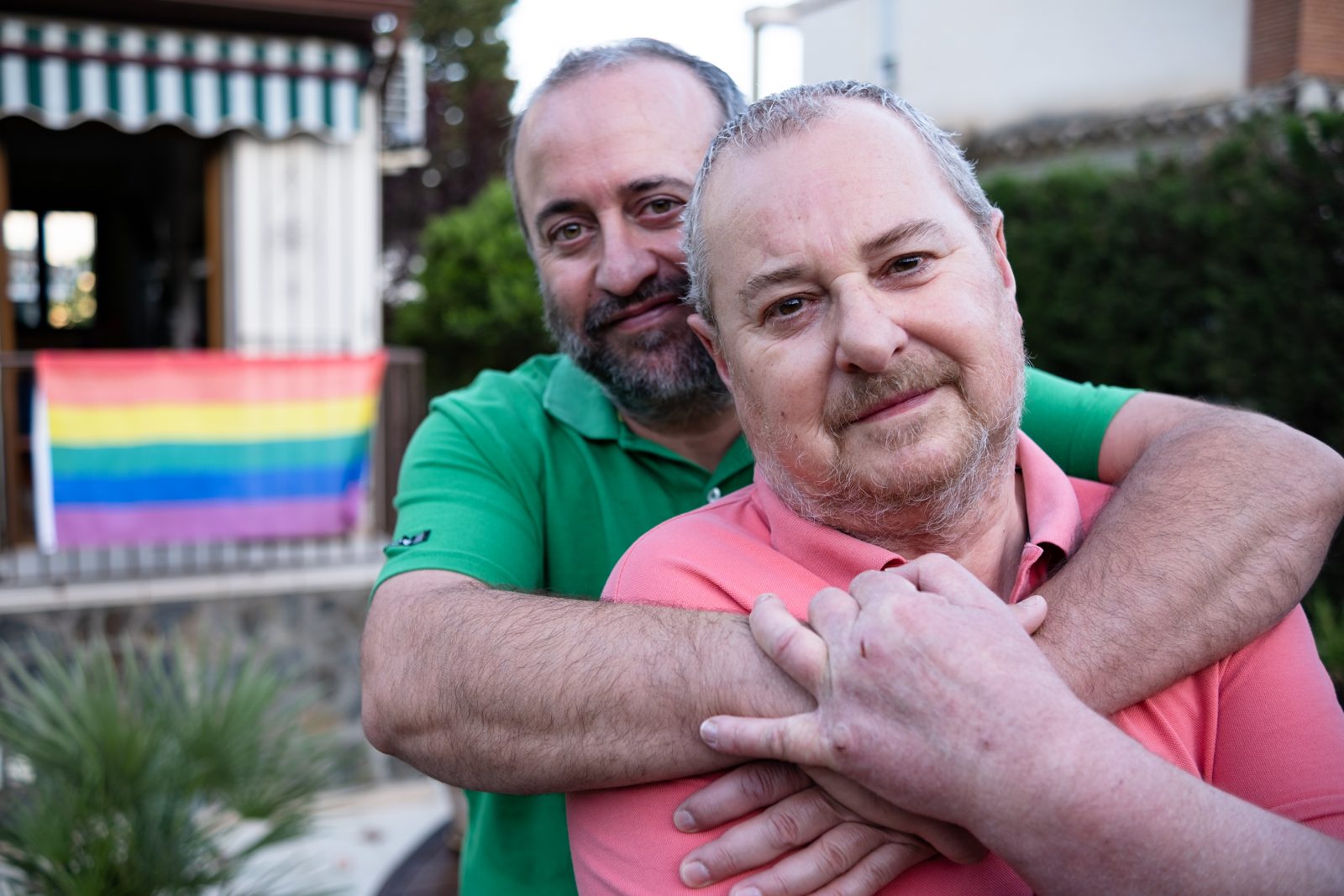
In 2009, I was commissioned by the 50+ Committee of the Pride Community in my city to gather the stories of older LGBTQ+ people in our community.
The committee had received a grant to collect these stories—to serve as a historical overview, an official benchmark, an educational tool, and a resource for the community. Someone on the committee was familiar with my writing and recommended me for the project.
I said yes immediately.
Twenty-five interviews were conducted. I did a number of them myself, and the rest were handled by other committee members. Then I took all the data—hours of recorded conversations, transcripts, fragments of lives lived—and I edited and compiled it into a book.
We called it Out and Aging: Our Stories.
The people we interviewed were all over fifty. Some were in their sixties, seventies, or eighties. They told us about coming out decades ago, when it was dangerous. About hiding, about being closeted, about losing jobs and families and homes because of who they loved. About finding chosen family. About building community in the shadows. About survival.
They told us about first loves and lost loves. About bars that were raided and friends who died of AIDS. About the slow, hard-won progress toward visibility and rights. About growing older in a community that was still finding its voice, still fighting for recognition.
As I read through the interviews, I was struck by the courage and honesty of each story. I felt honoured that these stories were entrusted to me, and I wanted to handle them with the dignity they deserved.
My first introduction to Canadian oral history happened when I was at Brescia College and read Barry Broadfoot’s Ten Lost Years. I had a wonderful history professor who taught me that history was more than facts and dates—history was about people.
That’s what I wanted this book to be. Not a dry historical document, but people’s actual voices. Their words. Their stories told as if you were sitting with them at a kitchen table, listening.
So I edited carefully, preserving each person’s voice, their way of speaking, their particular cadence and phrasing. I wanted readers to hear these people, not just read about them.
I identified four themes that emerged from the stories, and I structured the book around them:
History of the LGBTQ+ presence locally — the bars, the meeting places, the underground networks that existed before Pride parades and legal marriage.
Awakenings and Revelations — coming out stories, moments of self-recognition, the courage it took to name who they were.
Living and Loving — relationships, chosen family, the ways people built lives and loved each other despite a world that often told them they shouldn’t.
Growing Older and Shared Wisdom — what they’d learned, what they wanted younger generations to know, how they made sense of their lives.
On the back cover, we wrote:
“When they were younger, LGBTQ+ seniors did not feel comfortable with family or community. Out and Aging: Our Stories is a collection of individual life stories which not only chronicles the history of the LGBTQ+ community in Windsor and Essex County, but also reveals the experience of coming out, living and aging as an LGBTQ+ person. It is important that the experiences of LGBTQ+ seniors are disclosed so that the community might be aware of their achievements and struggles. It is hoped that enhancing the community’s knowledge will build tolerance of these often doubly disenfranchised seniors. This book is the first step in recognizing a generation of pioneers, many of whom laid the groundwork for the freedoms LGBTQ+ individuals enjoy today.”
The book was published in 2010. Later, it was adapted into a play.
But what mattered most to me wasn’t the book itself, or the play, or any recognition the project received.
What mattered was this: I got to preserve stories that might have been lost. I got to honour lives that had been lived in the shadows. I got to give voice to people who’d been told for decades to stay quiet.
These were pioneers. They came out when it was dangerous. They built community when it was illegal. They loved when they were told their love was shameful. They survived when survival wasn’t guaranteed.
And they trusted me with their stories.
That’s what made this work meaningful. Not the paycheque—though I was grateful to be paid. Not the finished product, though I was proud of it. But the trust. The honour of being entrusted with people’s lives, their truths, their courage.
I wanted younger LGBTQ+ people to know: you’re standing on the shoulders of these pioneers. The freedoms you have—to marry, to be out at work, to walk down the street holding your partner’s hand—these people fought for that. Or survived despite not having it. They paved the way.
And I wanted the older people who shared their stories to know: your life mattered. Your courage mattered. Your story deserves to be told, remembered, and honoured.
That’s what meaningful work feels like. It’s not about you. It’s about being in service to something larger. It’s about using your gifts—in my case, listening, editing, preserving voice—to contribute something that matters.
I don’t know if younger generations have read Out and Aging. I don’t know if it’s still being used as an educational tool or if it’s gathering dust on a shelf somewhere.
But I know this: for the people who shared their stories, it mattered that someone listened. That someone cared enough to preserve their voices. That someone said: your life is worth documenting. Your story deserves to be remembered.
And for me, it mattered that I got to do this work. That someone thought of me for this project. That I got to use my skills to honour these lives.
That’s what makes work feel like more than a paycheque. When you know the work matters. When you’re contributing something that will outlast you. When you’re in service to something worth serving.
I’ve done a lot of work in my life. I’ve made Dilly bars and answered phones and cooked meals and managed tours. I’ve done work I loved and work I tolerated and work I couldn’t wait to leave.
But Out and Aging is the work I’m most proud of. Because it wasn’t about me. It was about them—the pioneers who trusted me with their stories. And it was about preserving something important, something that might have been lost.
That’s the work that mattered most.
This Week’s Prompts: Work That Mattered
A job or project that felt meaningful. What work have you done that felt like more than just a paycheque? What made it meaningful? How did you know this work mattered?
When you felt most purposeful in your work. Was there a moment when you thought, “THIS is why I do this work”? When did you feel most aligned with what you were supposed to be doing?
Work that used your gifts. What work let you contribute what you’re actually good at? When did your skills and talents feel like they were being used in the service of something worth serving?
A project you’re proud of. Looking back at your working life, what contribution are you most proud of? What did you create, build, or help make happen that still matters to you?
What makes work feel meaningful vs. just a job. How do you tell the difference? What’s present when work feels purposeful that’s missing when it’s just a pay cheque?
Work that fed your soul (even if it didn’t pay well). Have you done meaningful work that didn’t pay much or anything at all? Volunteer work, side projects, labours of love? What made it worth doing anyway?
Invitation to Engage
Last week, we shared stories about first jobs—the Dairy Queen mistakes, the curly Qs we couldn’t master, the first paycheques that made us feel almost grown. You may have remembered stories about early work that taught you humility, responsibility, and that you weren’t as competent as you thought.
This week, we’re thinking about work that mattered—not the jobs that taught us what we didn’t know, but the work that let us contribute what we did know. The projects that felt purposeful. The moments when work aligned with who we are and what we care about.
I spent a year gathering and preserving the stories of older LGBTQ+ pioneers in my community. It wasn’t the biggest project or the best-paid work I’ve ever done. But it was the most meaningful. Because I got to honour lives that deserved honouring. Because I got to preserve voices that deserved preserving.
What work has felt most meaningful to you? When have you felt most purposeful? What project or job made you think “this is what I’m supposed to be doing”?
Share your story in the comments. I’d love to hear about the work that fed something deeper than your bank account, the contribution you’re proud of, the moment when work felt like calling.
Not all work can be meaningful all the time. But when it is—when we get to use our gifts in service of something that matters—it changes everything.
First published in The Story Harvesters newsletter on Substack, April 6, 2026.
Comments were part of the original newsletter and aren’t included in this archive.