Places
Home
The 17th Floor: Where Home Was
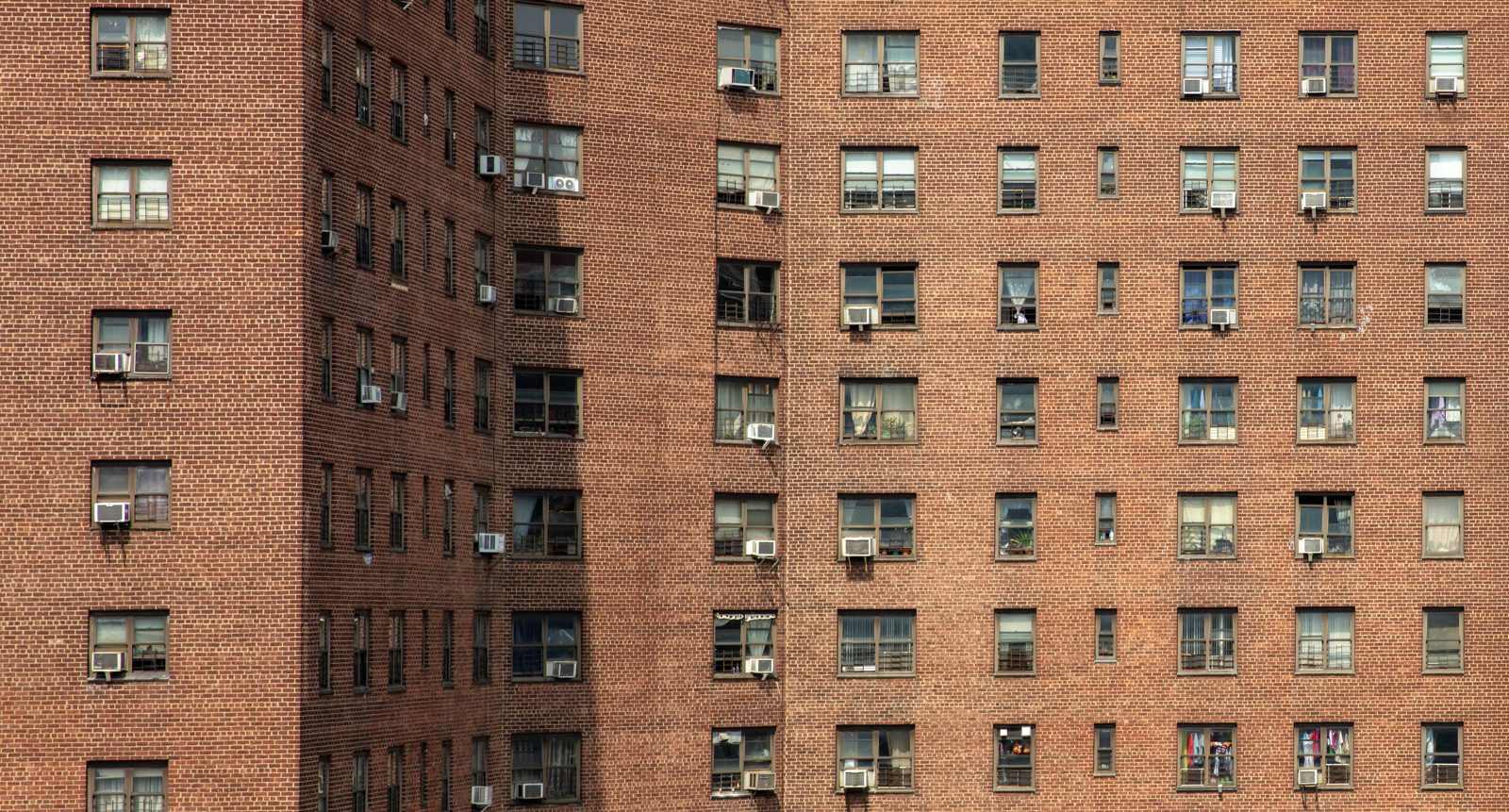
The first home I remember clearly was an apartment on the 17th floor of a project building in the Bronx. We lived there when I was very small—maybe two to five years old—and even though I haven’t been back in decades, I can still walk through those rooms in my mind.
The elevator always smelled like pee. Always. That smell is so burned into my memory that even now, if I catch a whiff of stale urine anywhere, I’m instantly transported back to that building, pressing the button for the 17th floor, watching the numbers light up as we climbed.
Our apartment wasn’t large, but it felt safe. From our windows, you could see so much of the city spread out below—cars like toys, people like ants. I remember pressing my face against the glass, looking down at the world from so high up, feeling both important and a little scared. What if the window broke? What if I fell?
But what I remember most vividly isn’t the apartment itself—it’s the hallway. That long corridor with doors on either side, the fluorescent lights buzzing overhead, the worn linoleum floor that was probably meant to be beige but looked more like the colour of old bandaids.
Down that hallway, maybe six or seven doors from ours, lived a little girl everyone called Chicken. I’d stand in our doorway, looking down the hall toward her apartment, waiting to see if she’d come out. Sometimes I’d knock on her door, holding a lollipop I’d saved for her, listening to the sound of footsteps and voices inside before the door opened.
That hallway was where I learned about community, about having neighbours who knew your name, about the particular way voices echo in narrow spaces. It was where I learned that home isn’t just the space inside your own four walls—it’s also the threshold, the in-between places, the corridor that connects your life to other lives.
I didn’t know it then, but that hallway was teaching me something I’d carry forever: that we don’t live in isolation. Our homes touch other homes. Our stories spill into the hallway and mix with other stories. We’re always connected, even when we close our doors.
Why This Theme Matters
We carry places with us long after we’ve left them. The homes we grew up in, the landscapes that surrounded us, the rooms where important things happened, the spaces we claimed as our own—these places shape us in ways we’re still discovering.
Places aren’t just backdrops to our lives. They’re part of our story. The 17th floor apartment teaches different lessons than the house with a backyard. Growing up urban teaches different things than growing up rural. The place you felt safe matters. The place you had to leave matters. The territory you claimed as yours—even if it was just a hallway or a closet or a spot under a tree—matters.
When we share stories about the places that shaped us, we discover something interesting. Your grandmother’s kitchen doesn’t look like mine, but the feeling of safety there—we both know that. Your landscape was mountains, mine was concrete and elevators, but we both learned from our geography. The place you left behind isn’t the place I left, but we both understand what it means to say goodbye to somewhere that held part of who we were.
This month, we’re harvesting stories about places—not to catalog everywhere we’ve been, but to understand how physical spaces shaped our inner landscapes. How where we’ve been influences who we’ve become. How places hold our memories, and how we carry those places with us wherever we go.
What We’ll Explore This Month
Over the next four weeks, we’ll explore places from different angles.
This week (Week 1), we’ll focus on home—the physical spaces we called home, what made them feel like home (or what made them not feel like home), the rooms and smells and sounds and rituals of the places we lived. What do you remember most vividly about the homes of your childhood?
Next week (Week 2), we’ll look at landscapes that shaped you—urban or rural, mountains or plains, ocean or desert. What did your geography teach you? How did the physical world around you influence how you see and move through the world?
In Week 3, we’ll explore places you left behind—by choice or by necessity, the places you moved away from, what you lost when you left, what you gained. How do you hold the places you can’t go back to?
And in our final week (Week 4), we’ll consider sacred or special spaces—the places that felt magical, safe, or transformative. The room, the spot, the territory that was yours. Where did you go to think, to hide, to dream, to be yourself?
Each week, I’ll share prompts to help you harvest your memories about places, and I hope you’ll share your stories in the comments. Last month, we explored beginnings together. This month, we’re exploring the physical spaces where those beginnings—and all our other moments—happened.
This Week’s Prompts: Home
The home you remember most vividly from childhood. Close your eyes and walk through it. What room appears first in your mind? What do you see, smell, hear? What made this place feel like home—or what kept it from feeling like home?
The sounds, smells, and textures of home. Every home has a soundtrack and a scent signature. What did your childhood home sound like? What did it smell like? What textures do you remember—the feel of a doorknob, a banister, a particular chair?
Who else lived there? Home isn’t just a place—it’s the people in it. Who shared your home? What do you remember about their presence, their routines, the way they moved through the space? How did they shape what home meant?
A room that was yours (or that you wished was yours). Did you have your own room, or did you share? Was there a space that felt like it belonged to you? Or a room you longed for, a space you wished you could claim?
What home taught you. Beyond the physical space, what did your childhood home teach you? About family, about privacy, about safety, about what happens behind closed doors? What did you learn from the walls that held you?
Invitation to Engage
Last month, we explored beginnings together—first memories, starting over, moments of recognition, small seeds that grew. You shared stories about grocery baskets and howling babies, toilet paper revelations and $25 cars. Thank you for your honesty, your humor, and your willingness to harvest your stories with me.
This month, we’re turning our attention to places—the physical spaces that shaped us, held us, taught us who we were and who we could become.
This week, we’re thinking about home. Not the idealized version, but the actual places we lived—the rooms we remember, the sounds and smells that still live in our bodies, the spaces that felt safe or didn’t feel safe, the people who made a house feel like home or kept it from feeling that way.
What home do you remember most vividly? What made it home—or what kept it from being one?
Share your story in the comments if you’d like. I’ll be here, reading and responding. And if home is a complicated word for you, if the places you lived weren’t always safe or happy—that’s okay too. Those stories matter just as much. Maybe more.
First published in The Story Harvesters newsletter on Substack, December 1, 2025.
Comments were part of the original newsletter and aren’t included in this archive.