
Places
Landscapes That Shaped You
Growing Up Vertical
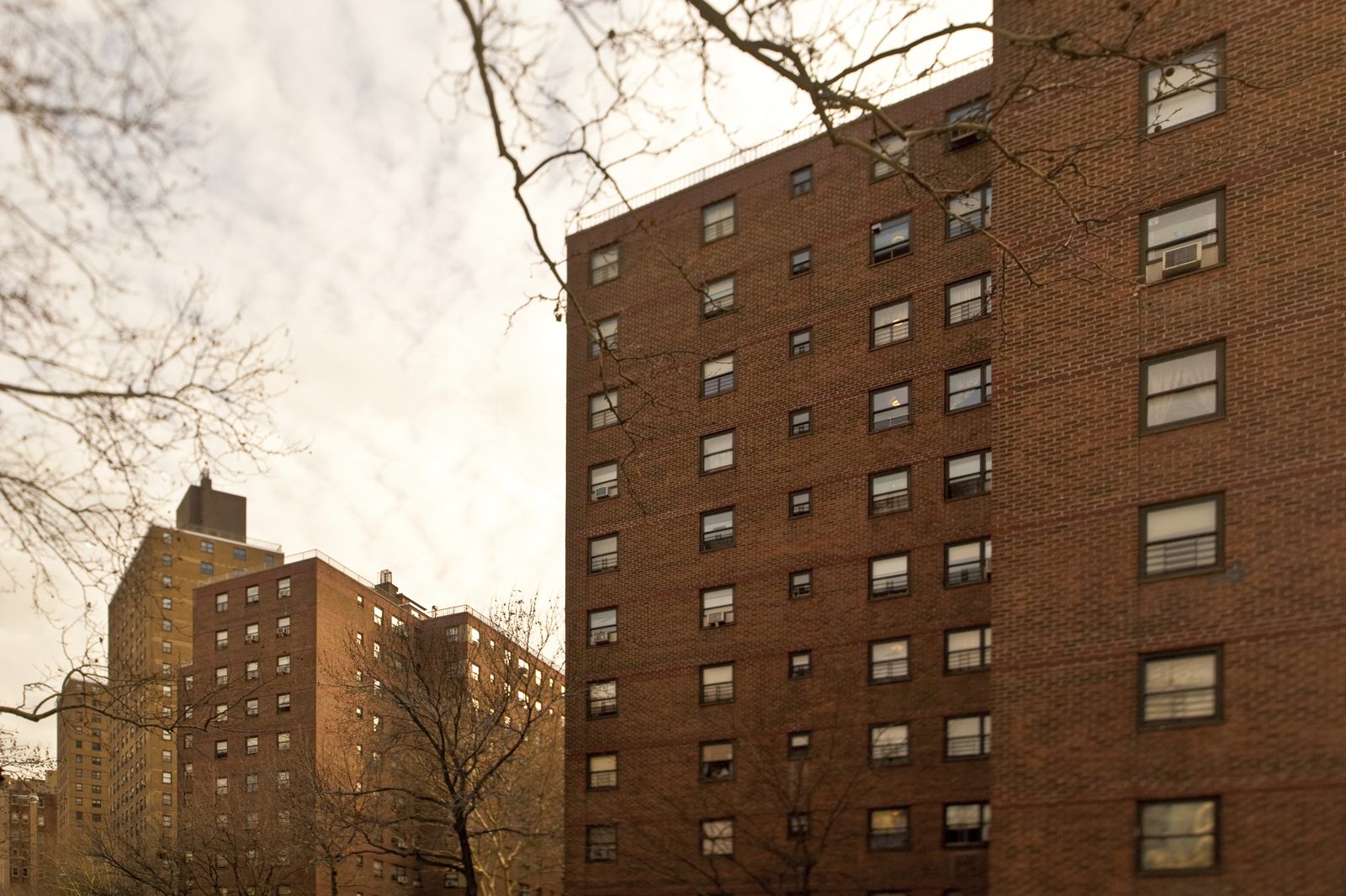
This week, we’re thinking about the landscapes that shaped us—not just whether we grew up urban or rural, but what our specific geography taught us about the world and our place in it.
Mountains teach different lessons than plains. Oceans teach different things than deserts. And vertical living—growing up seventeen floors above the ground, stacked on top of neighbours, dependent on elevators and infrastructure—teaches things that horizontal living never does.
Geography isn’t just backdrop. It’s education. The landscape we grow up in shapes how we understand proximity and distance, community and privacy, connection and isolation. It teaches us about waiting, about density, about what happens when systems break down. It shows us whether we’re separate or woven together.
Some of us grew up where you could see for miles. Others grew up where buildings blocked the sky. Some grew up where silence was the soundtrack. Others grew up with the constant hum of traffic, neighbours, life pressing in from all sides.
What did your geography teach you? What lessons came from your landscape—the one you didn’t choose but that chose you, the one that shaped how you move through the world even now?
Growing Up Vertical
I grew up urban. Not just city, but vertical—the 17th floor of a project building in the Bronx, where the elevator always smelled like pee and the world below looked like a toy version of itself.
When you grow up that high off the ground, you learn certain things. You learn that geography isn’t just horizontal—it’s also vertical, a matter of floors and elevation. You learn the sound of an elevator cable pulling you up and up and up, the way your stomach drops a little when it starts its descent. You learn to wait—for elevators, for your turn, for the door to open.
You learn about density. So many people in one building, stacked on top of each other like boxes in a warehouse. You could hear your neighbours through the walls—their arguments, their music, their footsteps above your head. Privacy was relative. We all lived pressed up against each other’s lives.
You learn about infrastructure and what happens when it breaks down. The elevator that stops working means you climb 17 flights, carrying groceries, carrying a small child, carrying exhaustion. You learn that when you live this way, small breakdowns become big problems. You learn that some people’s lives depend on things working that other people take for granted.
But you also learn about community. The hallway outside our apartment wasn’t just empty space—it was where we lived, where kids played, where neighbors talked, where my mother pulled her grocery basket, and I rode along standing up inside it. That hallway connected us to the little girl down the hall, everyone called Chicken, to the families whose cooking smells drifted out when they opened their doors, to the lives happening behind all those identical doors.
Urban geography taught me that we live on top of each other, beside each other, tangled up in each other’s existence, whether we want to be or not. It taught me that home isn’t isolation—it’s proximity, connection, the daily negotiation of sharing space with people who aren’t your family but who shape your life anyway.
I wonder sometimes what I would have learned if I’d grown up rural, with space and silence and distance between me and my neighbours. Would I understand connection differently? Would I have the same instinct toward community?
Maybe. Or maybe I needed to grow up in that vertical world, smelling other people’s dinners and hearing their footsteps, to learn what I was always meant to learn: that we’re not separate, we’re woven together, and the geography we grow up in teaches us how close or far apart we think people should be.
This Week’s Prompts: Landscapes That Shaped You
Urban or rural—what did your geography teach you? Did you grow up in the city, the suburbs, the country, or somewhere in between? What lessons came from your specific landscape? What did proximity or distance teach you about how people live together?
The natural world around you. What landscape surrounded you—mountains, ocean, desert, plains, forests, concrete? How did that geography shape what felt normal to you, what felt beautiful, what felt safe or dangerous?
What you could see from your window. What view did you wake up to? Other buildings, trees, sky, neighbours’ windows, fields stretching away? What did that view teach you about your place in the world?
How you got from place to place. Did you walk, bike, take buses or subways, ride in cars? Did you have to wait for elevators, climb stairs, navigate traffic? What did your mode of moving through space teach you about patience, independence, or community?
What would have been different if you’d grown up somewhere else. If you grew up urban, what do you think rural life would have taught you? If you grew up rural, what might city life have shown you? How did your specific geography shape who you became?
Invitation to Engage
Last week, you shared stories about home—apartments and houses, the sounds of parents arguing and the smell of grandmother’s cooking, rooms that felt safe and rooms that didn’t. I’m struck by how different our homes were, and how similar the feelings they held.
This week, we’re exploring the landscapes that shaped us—the geography we didn’t choose but that chose us, the environments that taught us how to move through the world.
I grew up vertical, seventeen floors above the ground. What did you grow up with? Mountains or plains? Ocean or desert? Concrete or grass? Urban density or rural space?
What did your landscape teach you about proximity, about waiting, about community, about your place in the world?
Share your story in the comments. I’m curious about your geography—the physical world that shaped you, the lessons that came from your particular patch of earth (or concrete, or sky).
First published in The Story Harvesters newsletter on Substack, December 8, 2025.
Comments were part of the original newsletter and aren’t included in this archive.