Love and Connection
How You Learned to Love
Three Men I've Loved
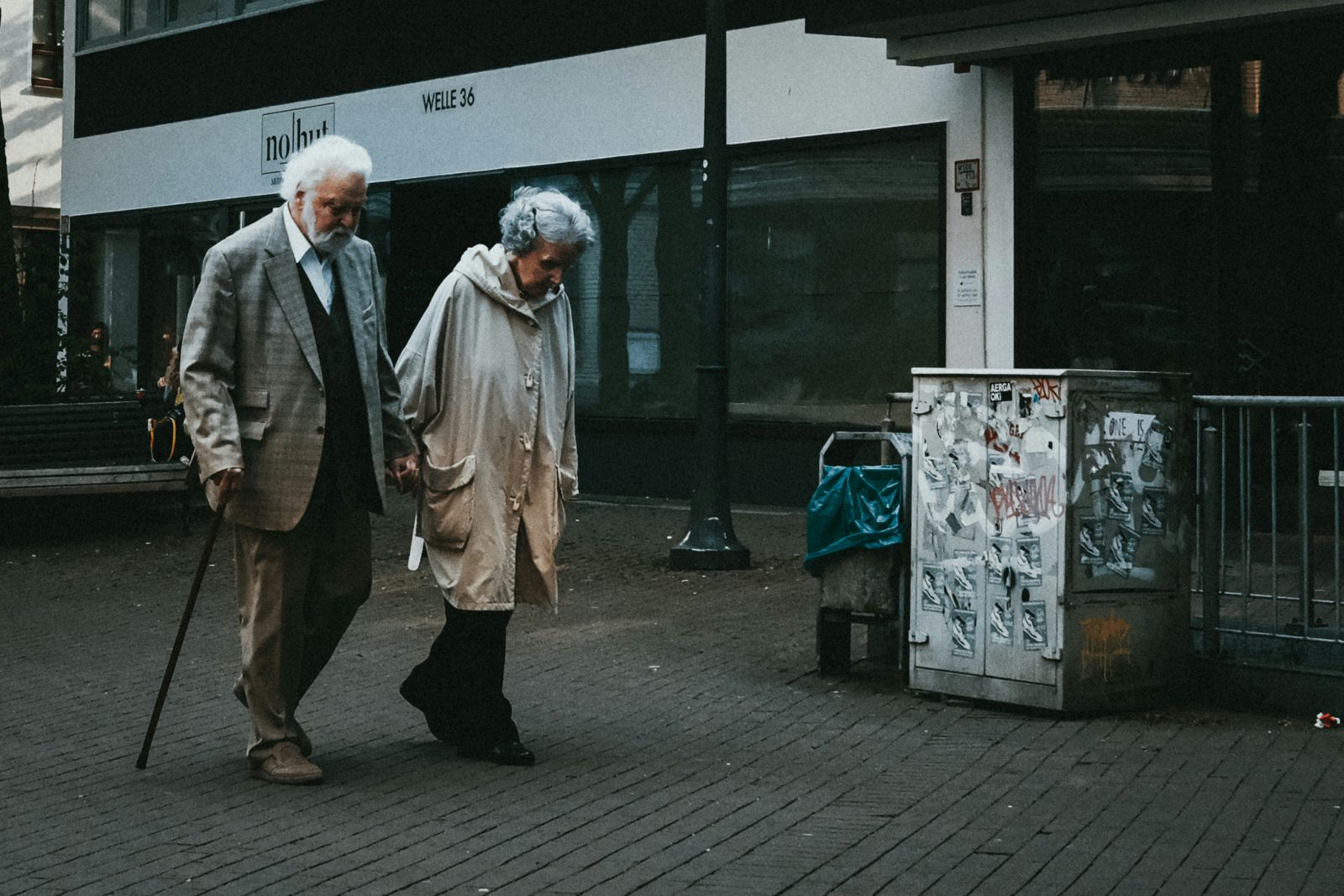
This week, we’re looking back at a lifetime of loving and asking: How did we learn? What has changed? What wisdom have we earned from all the ways we’ve loved and been loved?
We don’t come into the world knowing how to love well. We learn by doing—by trying, by failing, by getting our hearts broken, by breaking hearts ourselves, by loving imperfectly and being loved imperfectly in return.
Our capacity for love changes over time. The way we loved at twelve is different from how we loved at twenty, at thirty, at fifty. We learn things we couldn’t have known earlier. We understand things we couldn’t see when we were in the middle of them.
We learn that love isn’t what we thought it would be. That it’s more complicated, more messy, harder, and more beautiful than the fairy tales suggested. That sometimes love is a feeling, and sometimes it’s a choice. That broken hearts heal. That love can hurt and still be worth it.
This week, as we close out our month on Love and Connection, we’re harvesting the wisdom we’ve earned. Not to give advice or prescribe how others should love, but to reflect on what we’ve learned from loving across a lifetime.
Who taught you how to love? How has your capacity for love changed over time? What do you know now about love that you didn’t know before?
Three Men I’ve Loved
In my life, I’ve loved three men—I mean really loved, the early defining relationships that shaped how I understood romantic love.
Tom, who I met at twelve and loved across years until he kissed me at a bus stop and I got on the bus anyway.
A mechanic who broke my heart.
And the man who fathered my children.
I’ve had other loves since, but these three taught me what I needed to learn about love—sometimes through joy, often through pain, always through the messy reality of trying to connect with another imperfect human being.
Here’s what I learned:
Love can be hard and confusing. It can also be simple and sweet. Sometimes both at once.
It’s easy to get caught up in your feelings and forget who you are. To lose yourself in trying to be what someone else needs, in shaping yourself around another person’s edges. I did that. I became someone I wasn’t because I thought that’s what love required.
I learned that breakups are terrible. That having your heart broken feels like the end of the world. That you’ll cry until you think you can’t cry anymore, and then cry some more.
But I also learned that broken hearts heal. Not quickly. Not easily. But they do heal. And you survive. And eventually, you’re ready to try again.
I learned that love can be messy, and in those messy times, love is a choice. Not a feeling. Not a rush of emotion. But a decision you make every day to show up, to try, to work through the hard stuff instead of running away.
Sometimes love feels wonderful—easy and light and full of possibility. And other times it hurts. It disappoints. It asks more of you than you want to give.
Love is not all rainbows and lollipops like we’re led to believe. It’s not just romantic dinners, passionate kisses, and happily ever after. It’s also dishes in the sink and bills to pay and kids who need you and exhaustion and miscommunication and hurt feelings and trying to figure out how to be two separate people sharing one life.
But here’s what else I learned: love is always worth the pain and messiness.
Because love helps you grow. It shows you who you are—your strengths and your weaknesses, your capacity for patience and your tendency toward selfishness, what you’re willing to give and where you need to hold boundaries.
Love helps you define yourself. What you want. Where and how you want to be in the world. Who you’re becoming.
I learned that from Tom, even though I failed him. I learned that from the mechanic who broke my heart. I learned that from the father of my children, in all the complicated years of trying to build a family and a life together.
Each relationship taught me something I needed to know. About myself. About what I’m capable of—the good and the not-so-good. About what I need and what I can’t compromise on. About the difference between the love of friendship and romantic love. About how to stay and how to leave. About when to hold on and when to let go.
How My Capacity for Love Changed
At twelve, standing in a middle school gym, I thought love was simple. You liked someone. They liked you back. You held hands and kissed, and that was love.
At nineteen, standing at a bus stop while Tom told me he wanted to marry me, I thought love had to fit a category. Either it was romantic or it wasn’t. Either you loved someone “that way” or you didn’t. I didn’t understand yet that love is more complicated than that, that you can love someone deeply and still not be able to give them what they need.
As a young mother, I learned that love can be fierce and protective and self-sacrificing. That you’ll give up things you thought mattered—sleep, dreams, your own needs—for the people you love. That love isn’t always about feelings; sometimes it’s just about showing up day after day, even when you’re exhausted.
And now, looking back across decades of loving in all its forms, I understand things I couldn’t see before.
I understand that there are many kinds of love, and they’re all valid. Romantic love and friendship love and parental love and the love you have for someone who shaped you even though they’re gone.
I understand that loving someone doesn’t mean you have to be with them. That sometimes the most loving thing you can do is let them go, or let yourself go, or accept that what you had was real and meaningful even though it couldn’t last.
I understand that love asks for courage—to be vulnerable, to risk rejection, to show up honestly even when it’s scary. And that sometimes we have that courage and sometimes we don’t, and that’s part of being human.
I understand that love is worth it. All of it. The heartbreak and the confusion and the messy reality of trying to connect with other flawed, complicated human beings. Because without love—without trying, without risking, without opening yourself to another person—you’re not really living. You’re just surviving.
What I Wish I’d Known
I wish someone had told me, when I was twelve and swooning over my first romantic kiss, that love is more complicated than I thought. That it would hurt sometimes. That I’d fail at it. That my heart would break and I’d break hearts. That it would be messy and hard and wouldn’t look like the movies.
But I probably wouldn’t have heard it then. I wasn’t ready. I had to learn by doing. By trying and failing and trying again. By loving imperfectly and being loved imperfectly in return.
That’s how we all learn, I think. Not through advice or warnings, but through experience. Through getting our hearts broken and surviving it. Through loving people who couldn’t love us back the way we needed. Through being the person who couldn’t love someone else the way they needed. Through all the beautiful, messy, complicated attempts at connection that make up a life.
And now, on this side of all that loving and losing and learning, I know this:
Love is worth it. All of it.
The first kiss that lands on your teeth. The friendship that sustains you through the worst time of your life. The person you can’t be with. The person who breaks your heart. The person you build a life with. All of it.
Because love—in all its forms, in all its mess and complexity and imperfection—is what makes us human. It’s what connects us. It’s what helps us grow and change and become more than we were.
And now these three remain: faith, hope, and love.
But the greatest of these is love.
This Week’s Prompts: How You Learned to Love
Who taught you how to love? Not necessarily romantic partners—maybe a parent, a friend, a mentor, a child. Who showed you what love looks like? What did they teach you?
How your capacity for love has changed. How did you love at twenty vs. thirty vs. forty vs. now? What’s different? What have you learned? What’s gotten easier or harder?
What you know now that you didn’t know before. Looking back at your younger self in love, what do you understand now that you couldn’t see then? What has time and experience taught you?
A relationship that taught you something important. Even if it didn’t last, even if it ended badly—what did you learn from loving that person? How did that relationship shape you?
When love was a choice, not a feeling. Have you experienced times when love required showing up, trying, choosing the person, even when the feelings weren’t strong? What did that teach you about what love actually is?
The difference between kinds of love. How do you understand the difference between romantic love, friendship love, parental love, chosen family? What have you learned about the many forms love takes?
What you’d tell your younger self about love. If you could go back and talk to yourself at your first kiss, your first heartbreak, your first serious relationship—what would you say? What wisdom would you offer?
What love has cost you and given you. Looking back, what has love required of you? What has it given you in return? Has it been worth it?
Invitation to Engage
We’ve spent this month exploring love and connection—from my first kiss on the teeth to the friend who laughed at my esoteric jokes, from Tom and the complexity of loving someone in our way rather than their way, to how we’ve learned to love across a lifetime.
This week, as we close out Month 7, I want to hear about what love has taught you. Who showed you how to love? How has your capacity changed over time? What wisdom have you earned from all the ways you’ve loved?
I’ve loved three men who shaped how I understood love. Each taught me something I needed to know—that love can be confusing and simple, hard and worth it, a feeling and a choice. That broken hearts heal. That love helps you grow and define yourself. That it’s always worth the pain and messiness.
What has love taught you? How have you learned to love? What do you know now that you wish you’d known sooner?
Share your story in the comments. I’d love to hear the wisdom you’ve earned, the teachers you’ve had (whether they meant to teach you or not), the ways love has shaped who you’ve become.
Looking ahead: Next month, we’ll turn our attention to LOSS AND RESILIENCE—what we’ve lost, how we’ve survived, what we’ve discovered in ourselves through difficulty. From significant losses to what broke and what held, from finding unexpected strength to growth through difficulty. Not just death, but all forms of loss and all forms of surviving.
Until then, keep harvesting your stories. Keep honouring the ways you’ve loved and been loved. Keep holding both the joy and the heartbreak, the simple and the complicated, the lasting and the lost.
Thank you for being here. Thank you for sharing your love stories. Thank you for the courage it takes to love imperfectly and to let yourself be loved imperfectly in return.
See you next month.
First published in The Story Harvesters newsletter on Substack, May 25, 2026.
Comments were part of the original newsletter and aren’t included in this archive.