
Loss and Resilience
Loss and Resilience
Did I Do The Right Thing?
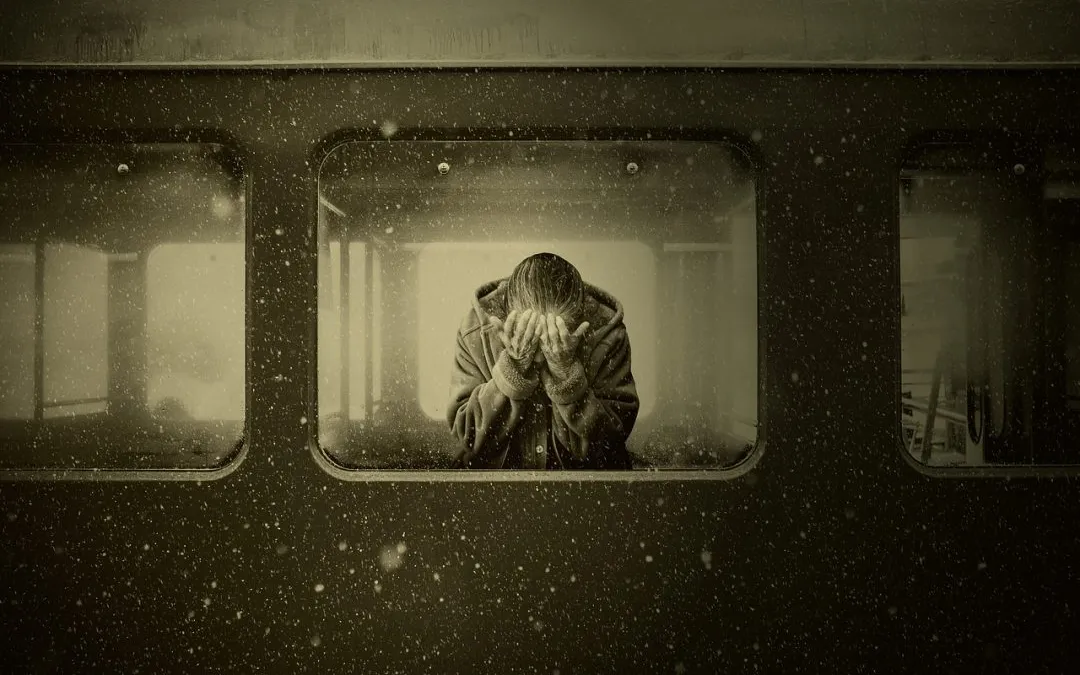
Eighteen years ago this month, I had to take our family dog, PK, to be euthanized. He was seventeen years old—a Lhasa Apso we’d rescued from a puppy mill before he was even weaned, born with deformed front legs. The vet had said we’d be lucky to have him for five years. We kept him for seventeen.
My son Matt called me at work the day before. “Mom, I think it’s time.” PK could no longer control his bladder or bowels. He was nearly blind, going deaf, and would wince when they tried to pet him. Matt’s wife was due to give birth to their first child any day. It was too much.
We agreed we wouldn’t wait. We’d always hoped PK would die quietly in his sleep, but it was clear we had to make the decision for him.
The next morning, Matt, my daughter, and I took our grumpy old man to the vet for the last time. Even as we drove there, we tried to rationalize some reason not to do it. Even as we held his tiny body and felt the life drain from him, we sobbed and asked each other, “Have we done the right thing?”
PK had been the dog my kids grew up with. For Matt, for the longest time, he was the only other male in the house. Matt clung to his little buddy and sobbed uncontrollably as PK took his last breath.
When it was over, Matt gently picked up PK’s body and wrapped him in a blanket. I couldn’t help but envision him using that same gentleness to hold his newborn child in just days or weeks. I knew he would be a terrific father.
In the car, Matt sat quietly next to PK’s body. When we got to his house, where he wanted to bury PK, he asked to do it by himself.
I hugged him hard and kissed him. He scooped me up in his big, strong arms, sobbed once again, and whispered in my ear: “Mom, did I do the right thing?”
What could I say? I nodded, turned, got into my car, and drove to work.
I am still haunted by the vision of my tall, strapping young son tenderly cradling the body of his beloved pet, about to become a father, asking me if he’d done the right thing. As if I knew. As if any of us know.
That’s what loss is: making impossible decisions and living with the question of whether you did right. It’s watching the people you love grieve and being unable to fix it. It’s the end of one chapter colliding with the beginning of another—death and birth so close together you can barely breathe.
Matt’s child—that baby who was about to be born—is eighteen now, the same age PK was when we said goodbye. Life moves like that. We lose, and we gain. We bury, and we birth. We ask if we did the right thing, and we never quite know for sure.
But we show up. We hold what needs holding. We make the hard decisions. We carry each other through.
That’s what I learned from losing PK. Not just that grief is hard, but that love asks us to do hard things—and we do them anyway, even when we’re not sure, even when it breaks our hearts.
Why This Theme Matters
We all lose. People we love, pets we cherish, relationships that end, jobs that disappear, homes we have to leave, versions of ourselves we can’t be anymore, dreams that don’t come true. Loss is part of living. There’s no way around it.
But loss isn’t just about what we lose. It’s about what we discover in ourselves when we survive it. The strength we didn’t know we had. The resilience that emerges when we have to keep going. The growth that happens—not because suffering is good, but because we’re forced to become something more than we were.
This month, we’re not celebrating loss or pretending it makes us better people. We’re honouring what we’ve survived. We’re witnessing each other’s grief and resilience. We’re harvesting stories about what broke and what held, about who we became when we had to keep living after losing something that mattered.
When we share stories about loss, we discover we’re not alone. Your loss is different from mine—different people, different circumstances, different grief. But the experience of losing something that mattered, of having to keep going anyway, of discovering you’re stronger than you thought—we all know that. We’ve all lived that.
This month is about holding both the loss and the resilience. The grief and the survival. The breaking and the holding. The question “Did I do the right thing?” and the answer “I don’t know, but I did it anyway.”
What We’ll Explore This Month
Over the next four weeks, we’ll explore loss and resilience from different angles.
This week (Week 1), we’ll focus on a significant loss—someone or something you lost that changed you. Not necessarily death, though it might be. But a loss that marked you, that divided your life into before and after. What did you lose? How did it change you? How do you carry them or it with you now?
Next week (Week 2), we’ll look at what broke and what held—times of crisis when some things fell apart, and other things surprised you by staying intact. When everything was falling apart, what held? Who or what held you up when you couldn’t stand?
In Week 3, we’ll explore finding strength you didn’t know you had—moments when you discovered your own resilience, when you surprised yourself by surviving, when you learned something about your own capacity to endure. What did you learn about yourself through difficulty?
And in our final week (Week 4), we’ll consider growth through difficulty—not toxic positivity about “everything happens for a reason,” but honest reflection on what difficult experiences eventually gave you, even as they took something away. What do you know now because of what you’ve lost?
Each week, I’ll share prompts to help you harvest your memories about loss and resilience, and I hope you’ll share your stories in the comments. Last month, we explored love and connection. This month, we’re exploring what happens when we lose what we love—and how we survive it anyway.
This Week’s Prompts: A Significant Loss
Someone or something you lost that changed you. Tell us about a significant loss—a person, a pet, a relationship, a job, a home, a dream, a version of yourself. What did you lose? How did it change you?
The moment of losing. Do you remember the moment when you knew it was over? When you had to say goodbye? When you made the decision or had the decision made for you? What was that moment like?
“Did I do the right thing?” Have you made an impossible decision about loss—to let someone go, to end something, to choose one path over another when both felt wrong? How do you live with that question?
Loss that divided your life into before and after. What loss created a clear line in your life? When did you become a different person because of what you lost? What’s different about you now?
How you carry them or it with you. How do you hold what you’ve lost? Do you talk about them? Think about them? Carry something that reminds you? How do they or it live in you now?
What you learned about yourself through losing. What did loss teach you? About your strength? Your vulnerability? Your capacity to survive? What did you discover about yourself that you wouldn’t have known without this loss?
Watching someone you love grieve. Have you experienced loss secondhand—watching your child grieve, your parent, your partner? What’s it like to witness someone you love in pain and be unable to fix it?
Invitation to Engage
Last month, we explored love and connection—from first kisses to sustaining friendships, from love’s complexity to how we learned to love. Stories about lost loves and the friends who got you, about being seen and being broken and learning that love is messy and worth it.
This month, we’re turning to what happens when we lose what we love—and how we survive it anyway.
This week, we’re thinking about significant losses. Not necessarily the biggest or most dramatic, but the ones that changed us. The ones that taught us something about grief, about ourselves, about what it means to lose something that mattered and keep living anyway.
Eighteen years ago, I held my son while he sobbed over our family dog. He asked me if he’d done the right thing, and I didn’t know how to answer. That’s what loss is—making impossible decisions and living with the question of whether you did right. Watching the people you love grieve and being unable to fix it.
What significant loss has changed you? What did you lose that divided your life into before and after? How do you carry them or it with you now?
Share your story in the comments if it feels right. This is tender, sacred territory—our losses and our grief. But maybe by witnessing each other’s losses, we discover we’re not alone in surviving them.
We show up. We hold what needs holding. We make the hard decisions. We carry each other through.
First published in The Story Harvesters newsletter on Substack, June 1, 2026.
Comments were part of the original newsletter and aren’t included in this archive.