
Places
Places You Left Behind
When Strange Became Home
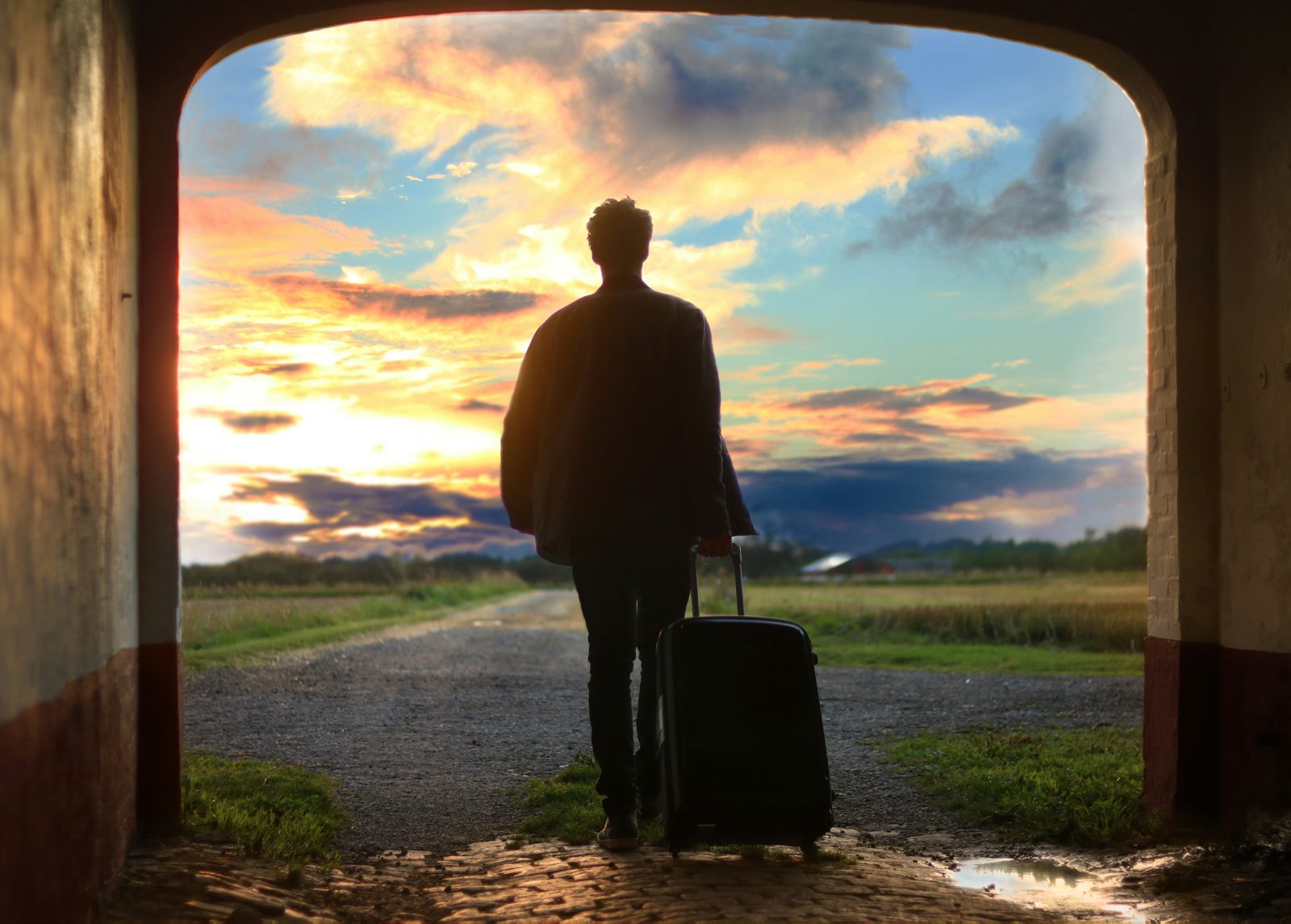
This week, we’re thinking about the places we left behind—by choice or necessity, willingly or with our hearts breaking, running toward something or running away from something else.
Leaving is complicated. Sometimes we leave because staying has become dangerous or impossible. Sometimes we leave because we’ve outgrown a place or it’s outgrown us. Sometimes we leave because someone else makes the decision and we follow, carrying our confusion and loss like luggage we can’t put down.
And leaving teaches us things we can’t learn any other way. That home isn’t always where we started. That what’s familiar can become foreign, and what’s foreign can become familiar. That sometimes the place we visit becomes the place we stay, and we have to learn the difference between temporary and forever.
We carry the places we’ve left. They live in us—in the candy bars we expect to find, in the accents that feel like home, in the landscapes we measure all other landscapes against. We leave, but we never fully leave. We take the places with us, even as we try to put them down.
What place have you left behind? What did you lose when you left, and what did you discover in the leaving? How do you hold the places you can’t go back to?
WHEN STRANGE BECAME HOME
When I think about places I’ve left behind, I think about leaving the US.
It was the 1960s, in the midst of the civil rights movement. We’d already survived the terrifying night of the great blackout in 1965, huddled under the kitchen table, hoping no one would break in. Then came the assassinations—civil rights leaders shot, little girls bombed in churches. Every day we heard stories of people being killed, and my mother was frightened.
By then, we’d moved from the apartment on the 17th floor to a big house with a veranda and a cherry tree in the yard. The street wasn’t far from the el, and I used to love standing under it while the trains roared overhead, feeling the rumble through my whole body.
But when my parents’ marriage dissolved, Mom didn’t feel safe anymore. She packed us up and took us back to Canada.
I’d been to Canada many times before to visit my mother’s family. But this time was different. This time we were coming to stay. Forever.
I remember the house we moved to had big trees lining the street, but no sidewalks, and I thought we’d moved to the country. The little store down the road had none of the candies I was familiar with—no Hershey’s, but Cadbury instead. The nuns at my new school didn’t wear long black habits like the strict nuns I was used to. Instead, they wore short skirts and short veils and seemed somehow friendlier.
Everything was strange, even though I’d been to Canada before. Because visiting a place and living in it forever are two entirely different things. When you’re visiting, you’re a guest. You know you’re going back home. But when you’re staying, when there’s no going back—that’s when the foreignness hits you. That’s when you realize: this is home now, whether you’re ready or not.
I had left behind the only home I’d known—the big house with the veranda and the cherry tree, the el that roared overhead, the street where I’d lived since we moved from the projects. I had left behind the familiar candies, the nuns in their severe black habits. I had left behind the US.
But I hadn’t just left a place. I’d left behind a version of safety that no longer existed. My parents’ marriage. The illusion that hiding under a kitchen table could protect us. The belief that children were safe in churches. I’d left behind a country that was tearing itself apart, a home that wasn’t home anymore.
When I think about leaving, I think about this: how what’s familiar can become dangerous, and what’s strange can become home.
Canada wasn’t completely foreign—I’d visited my mother’s family here before. I knew the streets, the accents, some of the differences. But knowing a place as a visitor and knowing it as home are different things entirely. One is temporary. The other is forever.
The trees, the missing sidewalks, the different chocolate bars, the nuns who smiled—at first, these things reminded me I wasn’t where I belonged. But over time, strange became familiar. Foreign became comfortable. The place I’d been brought to against my will, the place that wasn’t supposed to be permanent, became the place I belonged.
That’s what leaving teaches us, I think. That home isn’t always the place we started. That sometimes we have to leave what’s familiar—even when it’s scary, even when we don’t want to—because staying would be worse. That what feels strange and wrong at first can become the place we’re meant to be.
I left the US in the 1960s. I left behind assassinations and fear and a family that was breaking apart. I left behind the house with the veranda and the cherry tree, the el that roared overhead, the girl I’d been.
And I found Canada. Trees without sidewalks. Cadbury instead of Hershey’s. Nuns in short veils who smiled. A place I’d visited before, but never imagined would become home. A place that felt foreign until it didn’t.
Sometimes leaving isn’t about where you’re going. It’s about what you’re leaving behind—the fear, the danger, the version of yourself that can’t exist there anymore. Sometimes you leave so you can become someone new, somewhere safer, somewhere you can finally breathe.
I think about that girl, leaving the US forever, thinking she’d moved to the country because there were no sidewalks. Visiting Canada was one thing—visiting meant going back. But this time there was no going back. Not understanding yet that her mother had saved her. That leaving was an act of love and survival. That strange would become familiar, and foreign would become home.
That’s what places you leave behind teach you: that home isn’t where you started. It’s where you’re safe. It’s where you can grow. It’s where, eventually, the chocolate bars taste right and the nuns smile and the trees feel like they’ve always been there, waiting for you.
Even when you thought you were just visiting.
This Week’s Prompts: Places You Left Behind
A place you left—by choice or necessity. Tell us about a place you had to leave. Did you choose to go, or was the choice made for you? What were you leaving behind, and what were you moving toward (or away from)?
What you remember about leaving. Do you remember packing? Saying goodbye? The last time you saw the place? Or is leaving a blur, something that happened without ceremony? What sticks in your memory about the departure?
What was different about the new place. When you arrived somewhere new, what struck you as strange or foreign? The landscape, the accents, the food, the customs? What small details reminded you that you weren’t where you belonged anymore?
How long it took to feel like home. Did the new place ever feel like home? How long did it take? What shifted—in the place or in you—that made strange become familiar? Or is there a place that never quite felt like home, no matter how long you stayed?
What you carry from the place you left. We take the places we’ve left with us. What do you still carry from a place you left behind? Habits, tastes, ways of seeing the world, longings, memories? How does that place still live in you?
Invitation to Engage
Over the past two weeks, we’ve been sharing stories about the places that held us—homes that felt safe or didn’t, landscapes that taught us about proximity and distance, and where we belonged.
This week, we’re thinking about the places we left behind. Some of you have shared already in the comments about moves and migrations, about leaving and arriving, about what it costs to say goodbye to a place that held part of who you were.
I left the US when I was young, not by choice but because my mother was trying to keep us safe. I left behind the house with the veranda and the cherry tree, the el that roared overhead, the familiar candy bars and strict nuns. I came to Canada thinking it was temporary, not understanding yet that it was forever.
What place have you left behind? What did you lose in the leaving, and what did you find? How long did it take for strange to become familiar, for foreign to become home?
This is often a tender topic—leaving is complicated, and not all arrivals feel like homecomings. But I’d love to hear your stories if you’re willing to share them.
We carry the places we’ve left. Let’s talk about what we’re carrying.
First published in The Story Harvesters newsletter on Substack, December 15, 2025.
Comments were part of the original newsletter and aren’t included in this archive.